Book Words List: Unique Vocabulary For Readers
Let’s explore an extensive list of these distinctive terms and discuss their relevance in the literary landscape. By the end, you’ll not only have a treasure trove of vocabulary at your disposal but also a newfound depth to your reading.
The world of literature is filled with unique and intriguing book words that can enrich your understanding and appreciation of texts.
What Are Book Words
Book Words hold a unique charm that transcends mere vocabulary; they encapsulate experiences, emotions, and ideas in ways that everyday language often cannot. These words often emerge from genres or themes that evoke depth and resonant imagery, inviting readers to immerse themselves in literary worlds.
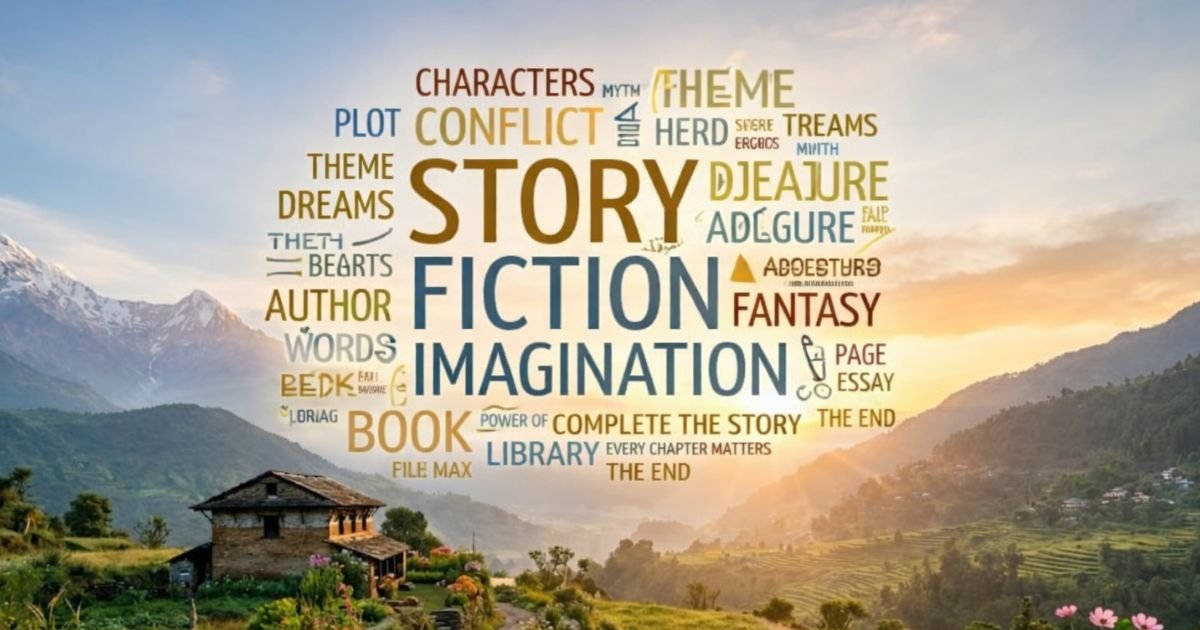
A term like “sonder,” for instance, a neologism that conveys the realisation that every passerby has a life as vivid and complex as your own, immediately elicits contemplation and empathy, grounding abstract feelings in tangible wording.
Understanding Book Words in Literature
These words transcend mere vocabulary; they are the foundation of literary expression, shaping characters, themes, and narratives. When we delve into literature, every term, whether common or obscure, dances with meaning, offering layers of context that enrich our reading experience.
For example, the meticulous choice of “melancholy” over “sadness” can evoke a deeper emotional resonance, inviting readers to explore the nuances of human experience and heartbreak.
Such vocabulary often includes:
- Words describing emotions in detail
- Terms related to storytelling
- Unique expressions that add elegance to language
Classic Book Words For Book Lovers
For book lovers, the language of literature is a treasure trove filled with classic bookish words that evoke nostalgia and depth. Terms like “bildungsroman” speak to the coming-of-age journey, encapsulating the essence of character growth in novels that resonate across generations.

For Book Lovers
- Bibliophile – A lover or collector of books
- Bookworm – Someone who loves reading constantly
- Bibliomania – An extreme passion for collecting books
- Bibliognost – A person with deep knowledge of books
- Glossary – A list of terms with definitions in a book
- Colophon – Information about a book’s publication at the end
Common Book Words With Meanings And Examples
Understanding common bookish words can enhance your reading experience and deepen your appreciation for literature. Take the word “protagonist,” for instance. This term describes the main character around whom the story revolves.
Often embodying traits that resonate with the audience, protagonists can be flawed yet relatable, such as Jay Gatsby in “The Great Gatsby,” whose dreams ultimately lead him to tragedy.
Meanings And Examples
- Prologue – An introductory section at the beginning of a book
Example: The prologue revealed the story’s past. - Epilogue – A concluding section at the end of a book
Example: The epilogue showed what happened after the story ended. - Plot – The main events of a story
Example: The plot was full of unexpected twists. - Character – A person in a story
Example: The main character was brave and determined. - Genre – A category of literature (romance, horror, fantasy, etc.)
Example: Mystery is my favorite genre. - Narrator – The voice telling the story
- Conflict – A struggle or problem in the story
- Climax – The most intense point of the story
- Resolution – The ending where problems are solved
Aesthetic Book Words – Beautiful And Expressive
The beautiful words lie in their ability to evoke emotions and create vivid imagery. Consider “sonder,” the realisation that each passerby has a life as complex and rich as your own. This single term encapsulates the grandeur of human experience, reminding us that every story deserves to be heard.

Beautiful And Expressive
- Euphoria – A feeling of intense happiness
- Serendipity – A pleasant surprise or unexpected discovery
- Ephemeral – Something that lasts for a short time
- Solitude – Peaceful loneliness
- Limerence – Deep emotional attachment
Rare And Unique Book Words
Exploring the realm of rare and unique bookish words unveils a treasure trove of linguistic gems that evoke the magic of literature. Take “sonder,” for instance, a neologism that captures the profound realisation that each passerby has a life as vivid and complex as one’s own.
This word, though not exclusive to the literary world, resonates deeply within it, encouraging readers to appreciate the multifaceted narratives that surround every story.
Rare and Unique
- Vellichor – The strange nostalgia of old bookstores
- Susurrus – A soft whispering sound
- Mellifluous – Sweet and pleasant sound
- Apricity – Warmth of the sun in winter
- Ethereal – Delicate and otherworldly
Unique Book Words to Make Your Writing Stand Out
Every writer has their own toolkit of unique words that can elevate their prose and captivate readers. Choosing specific terms like “susurrus,” which evokes the whispering sound of rustling leaves, or “sonder,” the realisation that every passerby has a life as vivid and complex as your own, can infuse your writing with depth and resonance.
These words not only paint vivid imagery but also invite readers to engage more profoundly with the narrative, fostering a connection that transcends the page.
Your Writing Stand Out
- Luminous – Softly glowing
- Whimsical – Playful and imaginative
- Resonance – A deep emotional effect
- Oblivion – A state of being forgotten
- Eloquent – Fluent and expressive
Book Words For Creative Writing Skills
These words possess a unique power; they can evoke emotions, paint vivid imagery, and transport readers to different realms. As a writer, harnessing this potential means delving into the nuances of language, where each word becomes a brushstroke on the canvas of your narrative.

Rather than settling for the obvious, seek out lesser-known terms that can amplify your storytelling. These words, often tucked away in the pages of books, can invigorate your prose, offering depth and richness that common vocabulary may lack.
For Creative Writing Skills
- Symbolism – Using objects to represent ideas
- Contrast – Showing differences between elements
- Imagery – Creating mental pictures through words
- Tone – The overall feeling of the text
- Style – The unique way a writer expresses ideas
Modern Book Words From Reading Culture
In today’s digital landscape, bookish words have evolved beyond mere vocabulary, they encapsulate a collective experience of reading culture that transcends generations. Terms like “bookstagram” and “TBR (to be read)” vividly illustrate how social media platforms have breathed new life into literary communities.
These phrases not only streamline communication among readers but also foster a vibrant landscape where recommendations flourish, transforming mundane book lists into dynamic, interactive discussions.
From Reading Culture
- Reading List – A collection of books you plan to read
- Half-Read Book – A book left unfinished
- Reading Mood – Your interest level in reading
- Favorite Shelf – A collection of beloved books
Book Words Related To Writing
Every writer knows the power of bookish words, those specific terms that breathe life into narratives and bring characters to vivid existence. When words resonate with clarity and intention, they can transform mundane descriptions into evocative imagery.
Take, for instance, “synecdoche,” where a part of something represents the whole. This linguistic technique can deepen connections by allowing readers to grasp the essence of a broader concept through a single detail.
Related to Writing
- Metaphor – A comparison without using “like” or “as”
- Simile – A comparison using “like” or “as”
- Foreshadowing – Hinting at future events
- Irony – A contrast between expectation and reality
- Narrative – The structure of a story
Book Words To Describe Reading Experiences
Books have a unique language of their own, transcending mere words to create immersive reading experiences that resonate deeply. Terms like “haunting” and “evocative” capture the essence of narratives that linger in the mind, while “page-turner” and “gripping” convey the thrill of losing oneself in a plot.

Each descriptor invites readers to explore the emotional landscapes crafted by authors, revealing intricate layers of character development and thematic depth.
Describe Reading Experiences
- Immersed – Fully absorbed in something
- Captivated – Completely fascinated
- Inspired – Motivated by something meaningful
- Drained – Emotionally exhausted after reading
Advanced Literary Terms
Every reader has their own unique journey through the pages of a book, filled with emotions that transcend mere words. Consider how a “page-turner” can ignite a sense of urgency and excitement, pulling you into a whirlwind of plot twists that leave your heart racing.
On the other hand, a “lyrical” narrative can wrap you in its soothing embrace, turning the simple act of reading into a meditative experience.
Literary Terms
- Dénouement – The final outcome of a story
- Hamartia – A tragic flaw in a character
- Bildungsroman – A coming-of-age story
- Epigraph – A quote at the beginning of a book
- Vignette – A short descriptive scene
Essential Book Words Used In Storytelling
In the realm of storytelling, these powerful words transcend mere vocabulary; they are the building blocks of imagination. Words like “ephemeral,” “serendipity,” and “metamorphosis” not only convey meaning but also evoke emotions and create vivid imagery.
When authors carefully select these potent terms, they invite readers to experience the narrative at a deeper level, encouraging them to forge connections that linger long after the last page is turned.
Used in Storytelling
- Opening Scene – The beginning that introduces the story
- Ending Note – The closing part that wraps up events
- Main Idea – The central theme of a story
- Cast – The group of individuals in a narrative
- Category – The type of story, such as romance or thriller
Other important elements include:
- Turning point in the story
- Problem faced by characters
- Final outcome
Fun And Modern Book Words
Imagine flipping through the pages of a new adventure, only to stumble upon intriguing book words that spark your curiosity. Terms like “bibliophile” and “epistolary” not only convey love for books or storytelling through letters; they evoke an entire world of literary appreciation.
These words resonate with a certain charm, creating vivid images that enhance our reading experience. Every time you encounter such expressions, they add layers to the narrative, making the act of reading feel like an interactive journey.
Modern Book Words
- TBR (To Be Read) – Books you plan to read
- DNF (Did Not Finish) – A book you stopped reading
- Book Hangover – Emotional feeling after finishing a great book
- Bookstagram – Instagram community for book lovers
- BookTok – TikTok community focused on books
Aesthetic Book Words To Enhance Your Writing
Incorporating aesthetic bookish words into your writing can transform a plain narrative into a vivid tapestry of emotion and imagery. Words like “serendipity” and “ephemeral” not only carry rich meanings but also conjure images that resonate deeply with readers.
You invite your audience to savour each sentence, encouraging them to linger on the pages rather than rush through, by selecting these nuanced terms. This slow, deliberate engagement enhances their overall experience, making the act of reading almost tactile.
Enhance your Writing
- Elated – Extremely happy
- Tranquil – Calm and peaceful
- Fleeting – Lasting for a very short time
- Radiant – Bright and full of energy
- Yearning – A deep emotional desire
You also read 210+ Dark Quotes here.
Book Words About Reading Habits
These beautiful words, our reading habits craft a unique tapestry of personal growth and discovery. Every page turned is a choice, shaping not just our knowledge but our very worldview. When we consciously curate our reading lists, we embrace diverse genres that challenge our perspectives.
This intentionality transforms passive consumption into an active dialogue with the text, igniting our imagination in ways we never thought possible.
Reading Habits
- Binge-read – Reading many pages in one sitting
- Tsundoku – Collecting books without reading them
- Abibliophobia – Fear of running out of books
- Bibliosmia – The smell of books
Why Book Words Are Important
These words serve as the thread that weaves the intricate tapestry of storytelling, enriching both the narrative and the reader’s experience. When we delve into a well-crafted book, it’s often the unique and evocative words that transport us, allowing us to visualize scenes, feel emotions, and connect with characters on a profound level.

The choice of words not only conveys meaning but also sets the tone, creating a distinct atmosphere that lingers long after the last page is turned.
Benefits include:
- Improved vocabulary
- Better writing skills
- More engaging content
- Stronger emotional expression
How to Use Book Words in Daily Life
Integrating these words into your daily life can transform mundane conversations into rich, engaging dialogues. Start by observing the words that resonate with you while reading. Make a habit of jotting them down, using them as prompts for reflection or discussion.
Like, using a word like “serendipity” to describe a chance encounter can evoke a sense of wonder and storytelling, inviting others to share their own experiences.
Uses Book Words:
- Use them in blog writing
- Add them to social media captions
- Practice them in conversations
- Include them in journaling
You also read 200+ Best Hump Day Quotes here.
Tips to Learn and Remember Book Words
One effective strategy to learn and remember these words is to create a personalized vocabulary journal. This involves jotting down new words along with their definitions, synonyms, and a sentence that contextualizes their use.
Not only does this reinforce memory through writing, but revisiting this journal regularly turns it into a dynamic tool for review. Review the words at spaced intervals, this technique, known as spaced repetition, significantly enhances retention and ensures those bookish words stick.
Tips for Remembering Book Words
- Read regularly
- Keep a vocabulary journal
- Use new words in sentences
- Follow book communities online
Importance of Learning Book Words
These words, often nestled within the pages of literature, reveal the nuances of human experience, offering us expressions that we may not encounter in everyday conversation.
We elevate our ability to articulate thoughts and emotions with precision, transforming our interactions into more meaningful exchanges by incorporating these words into our vernacular.
- It improves communication skills
- It makes writing more engaging
- It helps express thoughts more clearly
- It boosts confidence in speaking and writing
Simple Ways To Learn And Use Book Words
Incorporating bookish words into your everyday vocabulary can transform the way you express yourself. One effective method is to create a “word of the day” journal, where you jot down intriguing terms encountered during reading sessions.

Not only does this encourage mindfulness in your reading habits, but it also fosters an environment for active engagement with language. Challenge yourself to use each word in a sentence or a short story, allowing your understanding to deepen while enhancing your creativity.
Simple Ways to Learn
- Read books regularly
- Write down unfamiliar words
- Practice using them in sentences
- Review them frequently
- Keep a small notebook
- Use new words in conversations
- Try writing short paragraphs daily
Conclusion
Expanding your vocabulary can enrich not only your reading experience but also your personal and professional interactions. You can express yourself with greater precision and creativity by incorporating unique words from our curated book words list.
These distinctive terms not only enhance your storytelling abilities but also capture the interest of your audience. As you immerse yourself in literary works, keep this vocabulary close at hand to elevate your discussions and writing.
FAQs
What is a Word Book?
A clear and present example of a wordbook is a dictionary or an encyclopedia. You can also call any thesaurus a wordbook, as well as the Official Scrabble Players Dictionary. Consider creating your own wordbook filled with your favorite content marketing concepts or terms.
What is the Importance of Books?
Books are fundamental tools for intellectual, emotional, and personal growth, acting as repositories of knowledge, culture, and imagination. They enhance literacy, expand vocabulary, boost cognitive function, and cultivate empathy by exposing readers to diverse perspectives. Additionally, books serve as stress-relievers, mental exercises, and companions.
What is the Book About the Importance of Words?
The Magic of Words captures many profound lessons shared in the book Exactly What to Say® by best-selling author and multiple award-winner Phil M. Jones, and integrates them into a fun and playful story that inspires and illustrates the message that words really do matter.
What Skills do you Need to Write a Book?
Knowing how to communicate, manage your time, and think critically, soft skills. There are a lot of tangible skills in a writing career, how to structure a story, how to punctuate properly, and how to write a query letter.